

Everest Base Camp Trek – A Complete Guide to the World’s Most Iconic Himalayan Journey

The Everest Base Camp (EBC) Trek is one of the most famous trekking adventures in the world. Taking you to the foot of Mount Everest (8,848.86m)—the highest mountain on Earth—this legendary trek offers breathtaking Himalayan scenery, rich Sherpa culture, ancient monasteries, and a true sense of high-altitude adventure.
Following the historic trails used by early Everest expeditions, the Everest Base Camp Trek is a dream journey for trekkers from around the globe.
The Everest Base Camp (EBC) Trek is the ultimate adventure for trekking enthusiasts from around the world. Nestled in the heart of the Khumbu region, this iconic trek takes you to the foot of Mount Everest (8,848.86 meters), the highest peak on Earth. With breathtaking Himalayan scenery, ancient monasteries, and vibrant Sherpa culture, the EBC trek is more than just a hiking journey—it is a life-changing experience.
The trek follows historic routes used by early Everest expeditions, offering trekkers a combination of natural beauty, cultural immersion, and physical challenge. Along the way, trekkers witness soaring peaks, deep valleys, and picturesque villages, all while experiencing the warmth and hospitality of the local Sherpa communities.
Sherpa Culture and Spiritual Experience
One of the most enriching aspects of the Everest Base Camp Trek is the cultural journey. The trail passes through traditional Sherpa villages such as Namche Bazaar, Tengboche, Dingboche, and Gorak Shep, where stone houses, prayer flags, mani walls, and ancient monasteries reflect centuries of Buddhist heritage.
Visiting the Tengboche Monastery, the largest in the Khumbu region, allows trekkers to witness daily rituals and prayers that have been performed for generations. The Sherpa people, known for their resilience, friendliness, and mountaineering expertise, offer trekkers a warm and welcoming experience, making the trek both culturally and spiritually enriching.
The High-Altitude Adventure
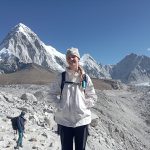
The highlight of the trek is reaching Everest Base Camp at 5,364 meters, standing beneath the towering peak of Everest. Trekkers also climb Kala Patthar (5,545 meters), a nearby viewpoint offering a panoramic view of Everest, Lhotse, Nuptse, Ama Dablam, and the surrounding peaks.
The trek involves moderate to challenging terrain, including long walking days, stone staircases, and gradual ascents to high altitudes. Proper acclimatization is crucial to prevent altitude sickness, with rest days scheduled in Namche Bazaar and Dingboche to allow your body to adjust.
Trek Duration and Itinerary
The Everest Base Camp Trek typically takes 10–14 days, depending on pace and acclimatization needs. The journey begins with a scenic flight from Kathmandu to Lukla, followed by trekking through the Khumbu Valley. Key stops include Phakding, Namche Bazaar, Tengboche, Dingboche, Lobuche, Gorak Shep, and finally reaching Everest Base Camp. The return trek follows a similar route, often including an early morning hike to Kala Patthar for the iconic sunrise over Everest.
Accommodation and Meals
Accommodation is provided in local tea houses along the trail. Rooms are typically twin-sharing with basic amenities, offering warmth and comfort after long trekking days. Meals include traditional Nepali dishes such as dal bhat, Tibetan specialties like momos and thukpa, as well as simple international fare like noodles, pasta, and soups.
Despite the simplicity, the combination of hearty meals, local hospitality, and stunning mountain views makes for a memorable and satisfying experience.
Best Time to Trek Everest Base Camp
-
Spring (March–May): Blooming rhododendron forests, clear skies, and mild temperatures. Best for Everest expeditions.
-
Autumn (September–November): Clear mountain views, dry weather, and ideal trekking conditions. Peak trekking season.
-
Winter (December–February): Cold and snowy conditions, fewer trekkers. Suitable for experienced trekkers seeking solitude.
-
Monsoon (June–August): Rain, clouds, and occasional trail closures. Not recommended.
Permits Required
Trekkers require the following permits to access the Everest region:
-
Sagarmatha National Park Permit
-
Khumbu Pasang Lhamu Rural Municipality Permit
Permits can be arranged in Kathmandu or along the trail at Monjo. A licensed trekking guide is highly recommended for safety, navigation, and cultural guidance.
Why Choose the Everest Base Camp Trek?
-
Walk the trails of legendary mountaineers
-
Stand at the foot of the world’s highest peak
-
Experience Sherpa culture and Buddhist traditions
-
Witness breathtaking Himalayan scenery and glaciers
-
Well-established trekking infrastructure with tea houses and lodges
-
Suitable for adventurous trekkers with moderate fitness
The Everest Base Camp Trek is more than a physical challenge—it is a transformative journey. From the scenic flight to Lukla to the emotional moment of standing at the base of Mount Everest, every step offers awe, inspiration, and accomplishment.
For trekkers seeking adventure, culture, and unparalleled Himalayan beauty, the Everest Base Camp Trek remains the ultimate bucket-list destination.

Travel Blogs
Stay Informed about travel information and latest updates

Everest Base Camp Trek – A Complete Guide to the World’s Most Iconic Himalayan Journey
The Everest Base Camp (EBC) Trek is one of the most famous trekking adventures in the world. Taking you to the foot of Mount Everest…
Manaslu Circuit Trek: Best Season, Packing List & Permit Information
The Manaslu Circuit Trek is one of Nepal’s most spectacular and less-crowded Himalayan trekking routes. Encircling Mount Manaslu (8,163m)—the world’s eighth-highest mountain—this trek offers a…